
Is Your Property Ready for Winter Storms?
Essential Tree Care Tips for California’s Central Coast
Is Your Property Ready for Winter Storms?
Essential Tree Care Tips for California’s Central Coast
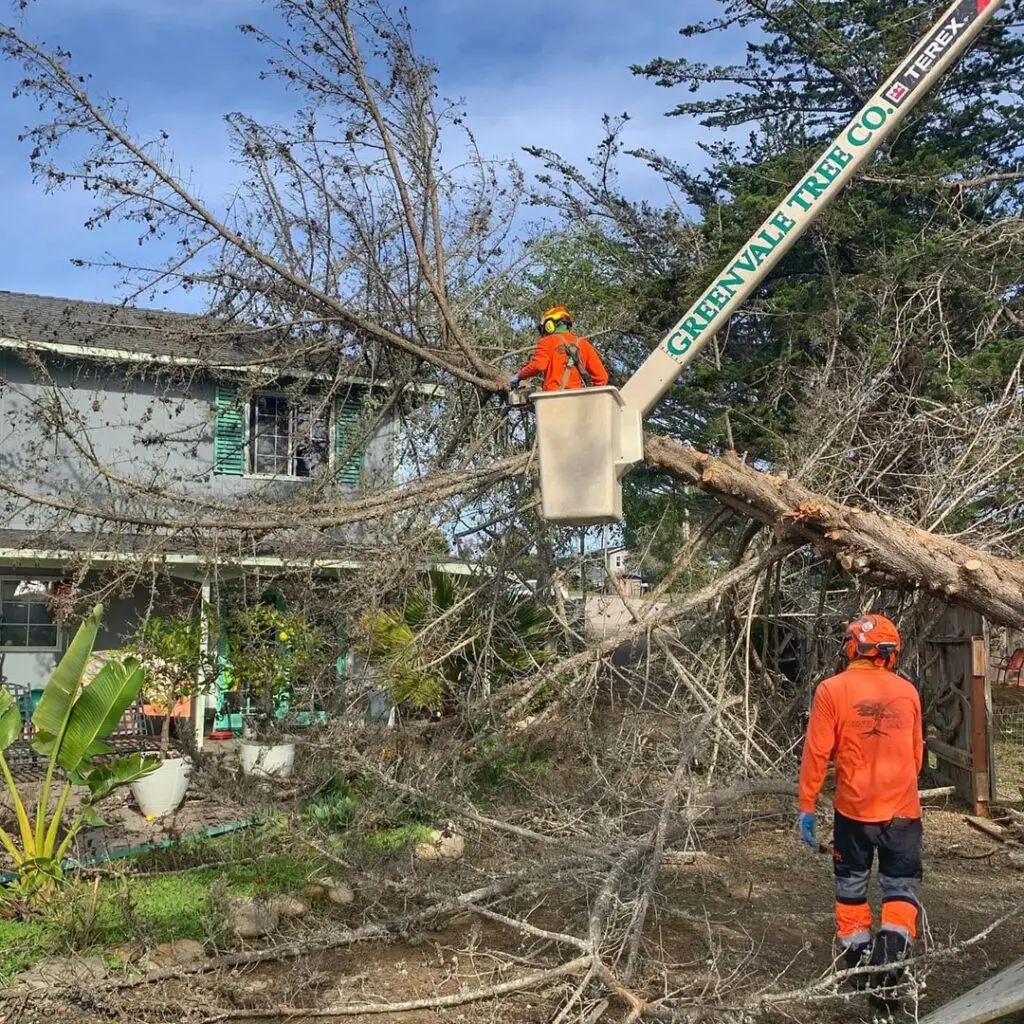
Winter on California’s Central Coast may not bring snow and freezing temperatures like other parts of the country, but it still brings challenges for trees and property owners. Heavy rain, strong winds, saturated soil, and occasional powerful storms can put even mature, healthy-looking trees at risk.
Throughout San Luis Obispo and Northern Santa Barbara Counties, our landscapes feature beautiful native oaks, towering eucalyptus, pines, sycamores, and a variety of ornamental trees. Each species responds differently to winter weather, so proper tree care is essential to protect your property and preserve our region’s natural beauty.
At Greenvale Tree Company, we’ve been caring for Central Coast trees since 1976. Here are key steps homeowners, businesses, and property managers can take to prepare their trees for winter.
Inspect Your Trees Before the Storms Arrive
One of the best ways to prevent winter tree damage is to recognize potential problems before severe weather arrives. Look for these warning signs:
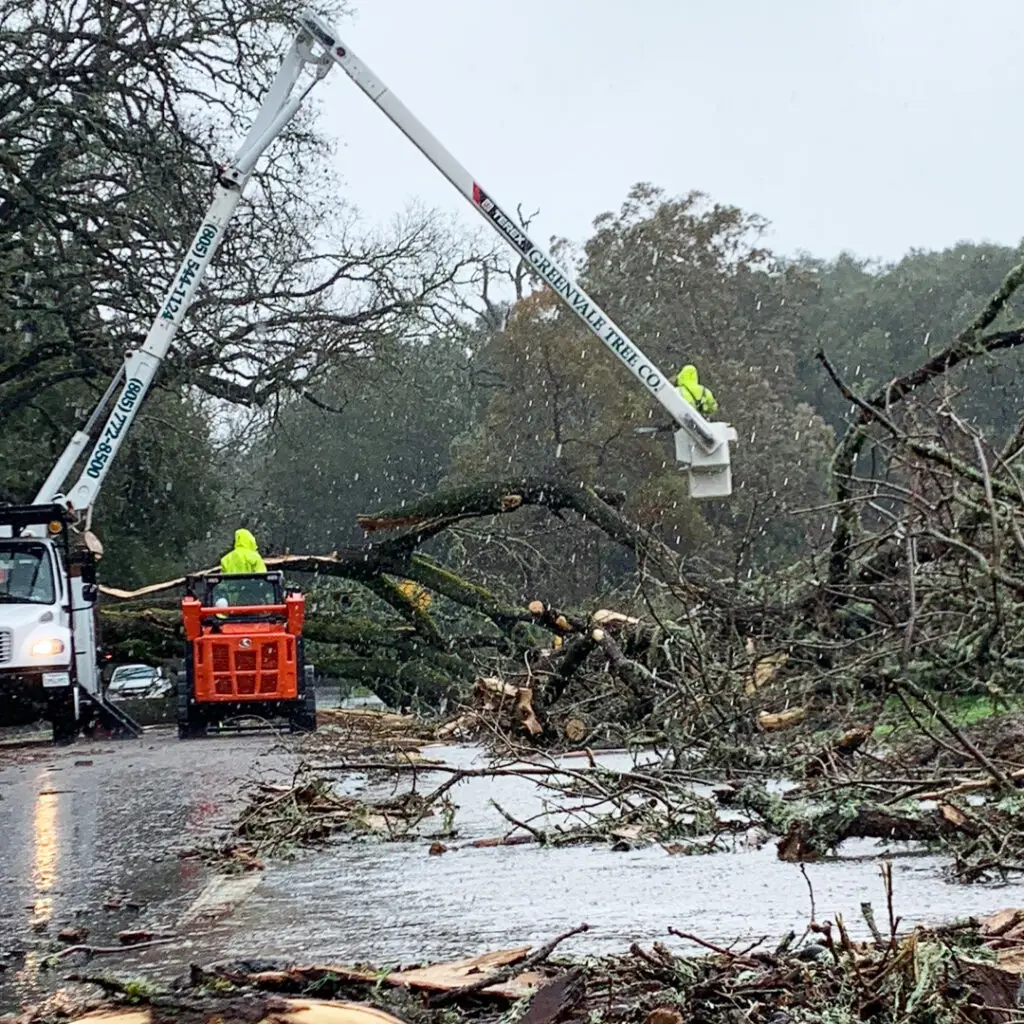
Dead or hanging branches:
These can break during high winds, potentially damaging structures, vehicles, or landscaping.
Cracks or splits in trunks and major limbs:
Structural weaknesses may worsen during storms.
Leaning trees:
New or increasing lean, especially with lifted soil or exposed roots, can indicate instability.
Fungal growth near the trunk or roots:
Certain fungi may indicate internal decay or root problems.
Changes in the tree canopy:
Unusual dieback, thinning foliage, or declining branches may signal underlying health issues.
Not every warning sign means a tree needs removal. A professional assessment can help determine whether pruning, monitoring, or additional care is appropriate.
Give Our Native Oak Trees Special Attention
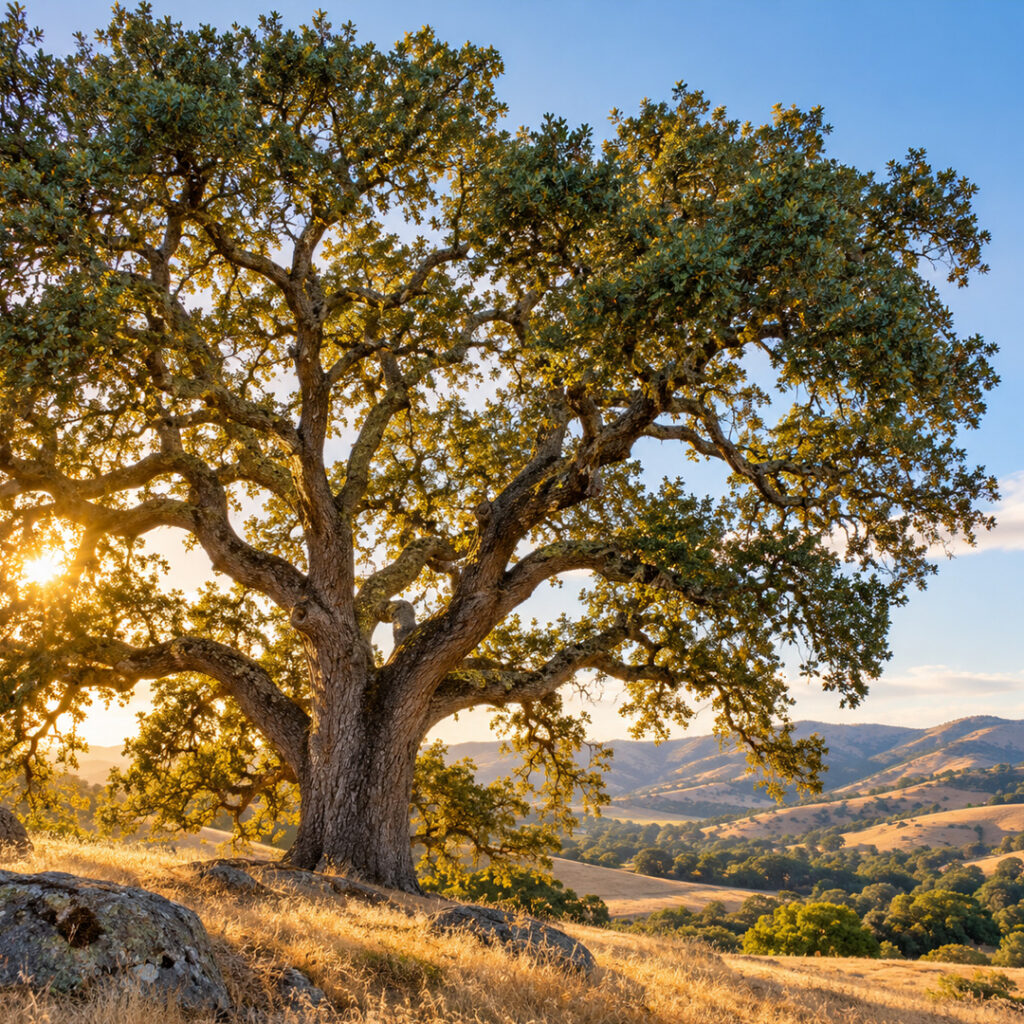
Oak trees are among the most recognizable and valued trees throughout San Luis Obispo County and the Santa Ynez Valley. Coast live oaks and valley oaks provide shade, wildlife habitat, and character to residential, agricultural, and commercial landscapes.
Although mature oaks are well adapted to our Mediterranean climate, they can still struggle in wet, windy conditions.
Heavy limbs, existing decay, and compromised root systems may increase the risk of branch failure or tree instability. Saturated soils can also contribute to root-related failures, particularly when other structural problems are present.
Winter care tips for oak trees:
- Have large, overextended, or damaged limbs evaluated before storm season.
- Avoid unnecessary or excessive pruning, which can weaken the tree and create additional stress.
- Keep heavy equipment and construction activity away from sensitive root zones.
- Watch for changes in the soil around the tree base, especially after heavy rainfall.
Because local ordinances protect some native oaks, professional guidance is especially important before major pruning or removal.
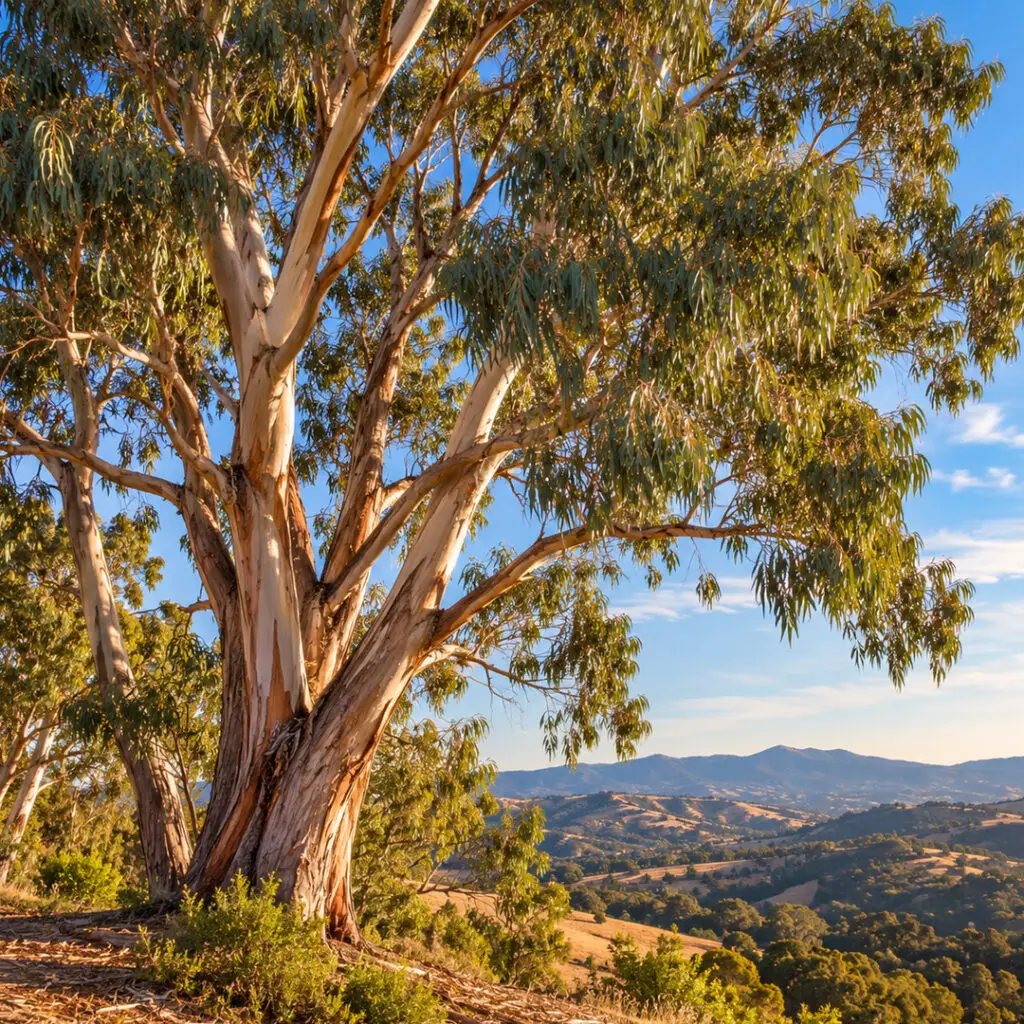
Monitor Eucalyptus Trees for Potential Hazards
Eucalyptus trees are common throughout the Central Coast, especially along roadways, agricultural properties, parks, and established neighborhoods.
Their impressive height and rapid growth make them distinctive landscape trees, but some species are prone to dropping branches, particularly when structural defects, decay, or environmental stresses are present. During winter storms, tall eucalyptus trees with large canopies may experience significant wind forces. Property owners should pay particular attention to eucalyptus trees near homes, parking areas, roads, and frequently used outdoor spaces.
Professional pruning can help address certain structural concerns and remove hazardous deadwood. However, pruning cannot eliminate every risk, and trees with significant defects may require a more detailed assessment.
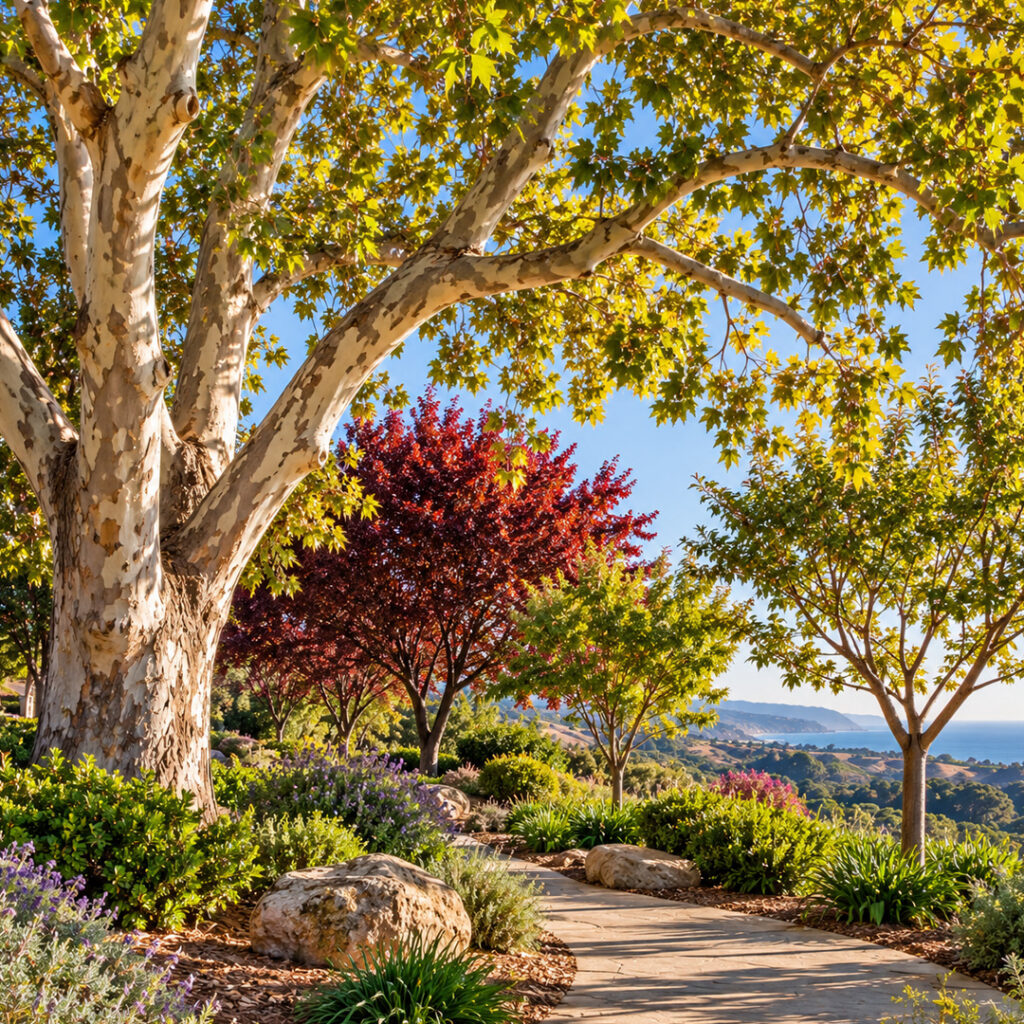
Don’t Overlook Sycamores and Ornamental Trees
California sycamores, liquidambars, ash trees, and other ornamental species contribute shade and beauty to neighborhoods, business parks, and public spaces throughout San Luis Obispo and Northern Santa Barbara Counties.
These trees may develop crowded branches, weak attachments, or deadwood that should be evaluated before winter storms.
Proper structural pruning, done at the right time for each species, can support healthy growth and reduce certain risks.
For younger trees, early structural pruning is especially valuable because it can prevent larger problems as they mature.
Check Pine Trees for Broken Limbs and Structural Problems
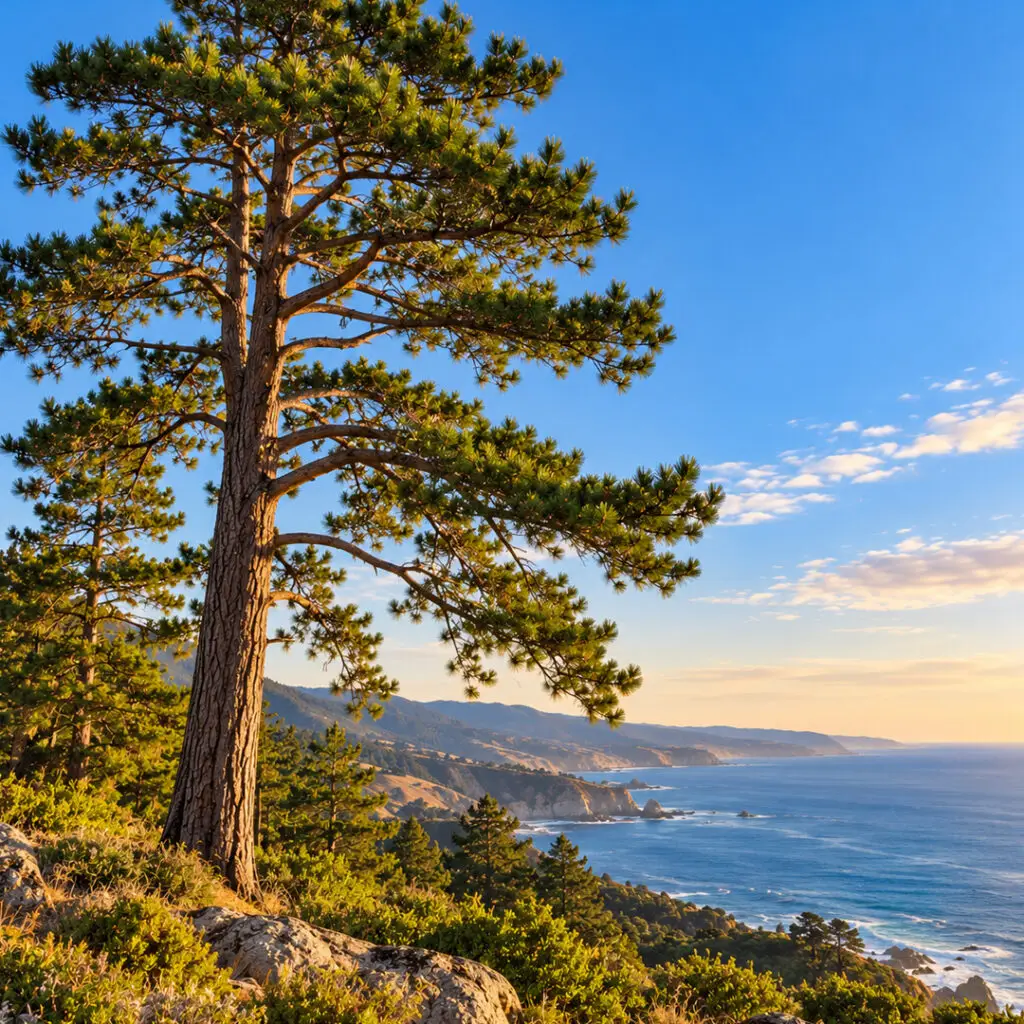
Monterey pines and other pine species are found in many Central Coast communities, particularly in coastal areas and established landscapes.
Winter winds and rain can expose existing weaknesses, including damaged limbs, multiple competing stems, and root problems.
Pine trees may also be stressed by pests, disease, and prolonged drought, so it’s important to evaluate their overall health.
If you notice excessive dead branches, unusual leaning, or significant canopy decline, schedule a professional inspection.
Understand How Heavy Rain Affects Tree Stability
Winter storms don’t always cause trees to fail because of strong winds alone. Saturated soil can also play a significant role. When prolonged rainfall softens the ground, trees with damaged, decayed, or restricted root systems may become more vulnerable to uprooting. This is especially important on steep slopes, in areas with drainage problems, after recent grading, or near construction on established trees.
After heavy rainfall, watch for newly exposed roots, lifting soil, or changes in a tree’s position. These can signal instability and should be evaluated promptly.
If a tree appears unstable, keep people and vehicles away until a qualified professional can assess the situation.
Schedule Preventive Tree Maintenance
The best time to address potential tree hazards is before a major storm arrives.
Professional tree care may include:
- Tree inspections:
Identifying visible structural defects, declining health, and potential hazards. - Selective pruning: Removing dead, damaged, or problematic branches while preserving the tree’s natural structure.
Canopy management: Addressing specific structural concerns using appropriate pruning techniques. - Tree removal:
Safely removing trees when necessary because of significant hazards or other site conditions.
Ongoing maintenance
Developing a practical tree care schedule for residential, commercial, and municipal properties. Every tree and property is different. A professional evaluation helps determine the most appropriate course of action.
Trust Greenvale Tree Company with Your Winter Tree Care
For 50 years, Greenvale Tree Company has provided professional tree care throughout San Luis Obispo and Northern Santa Barbara Counties. Our experienced crews understand the unique trees, growing conditions, and seasonal challenges of California’s Central Coast.
As a family-owned and operated company, we’re committed to knowledgeable service, quality care, and a positive customer experience from the initial consultation through the final cleanup.
Don’t wait until the next winter storm to find out whether your trees need attention.
Contact us for a free assessment
ISA Certified Arborists
Steve Franzmann #WE-0941A
Matt Franzmann #WE-12339A
Roberto Parra #WE-272047A
Sandra Hansen #WE-383226A
Charles Croxdale #WE-384101A
Licensed Contractor
CSLB License #730795
Contact Us
Greenvale Tree
PO Box 13234
San Luis Obispo CA 93406
(805) 471-TREE
(805) 489-TREE
(805) 461-TREE
Office Hours
Monday to Friday 9 AM – 5 PM